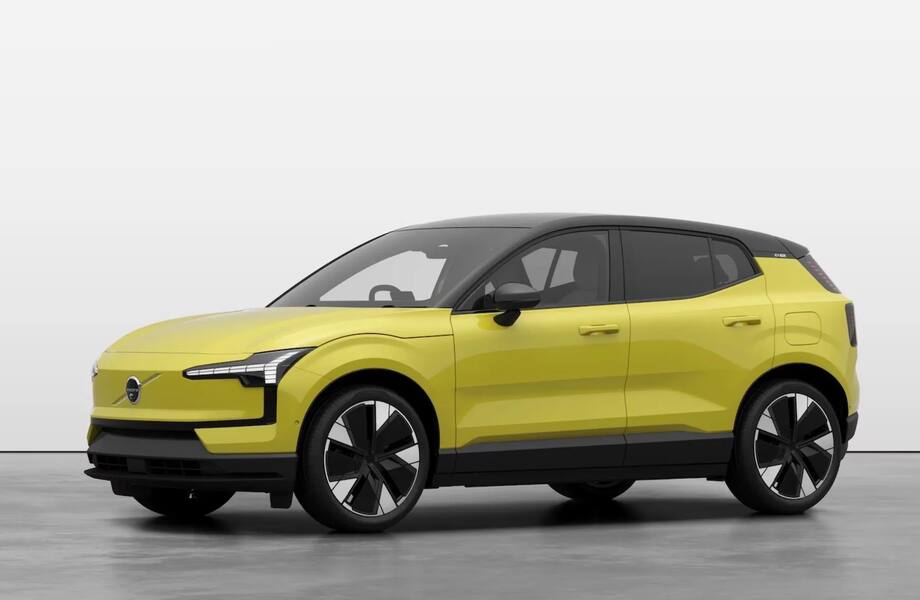
We normally don’t write about family SUVs on this blog. But every now and then a family SUV quietly shifts an entire industry on its axis - and when that happens, it deserves attention.
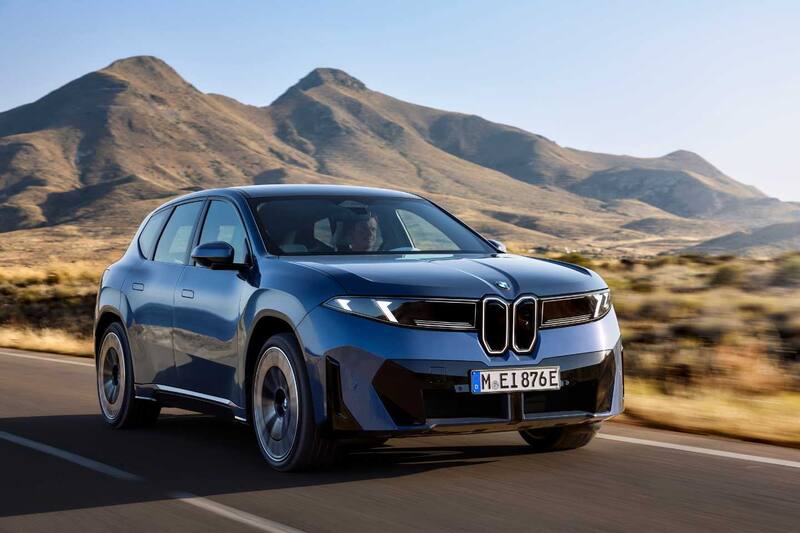
The recently launched electric Volvo EX60 and BMW iX3 Neue Klasse are exactly that kind of moment. They don’t just add two more EVs to an already crowded market. They fundamentally change the rules of the game.
These cars represent what I would call second-generation electric vehicles, and the consequences of that are far bigger than most people realise.
When people hear "second generation", they often think of a facelift, a slightly larger battery, or yet another over-the-air update promising marginal gains. That’s not what’s happening here.
The EX60 and the new iX3 are built around a fundamentally different set of assumptions. Efficiency per kilowatt-hour has taken a major step forward, meaning the cars go significantly further on the same amount of energy.
Battery systems are optimised for usable range, not optimistic brochure figures that collapse the moment you leave town.
Charging is no longer about peak numbers but about sustained, ultra-fast charging curves that actually work in the real world. And the underlying vehicle architectures finally make long-distance driving feel normal rather than heroic.
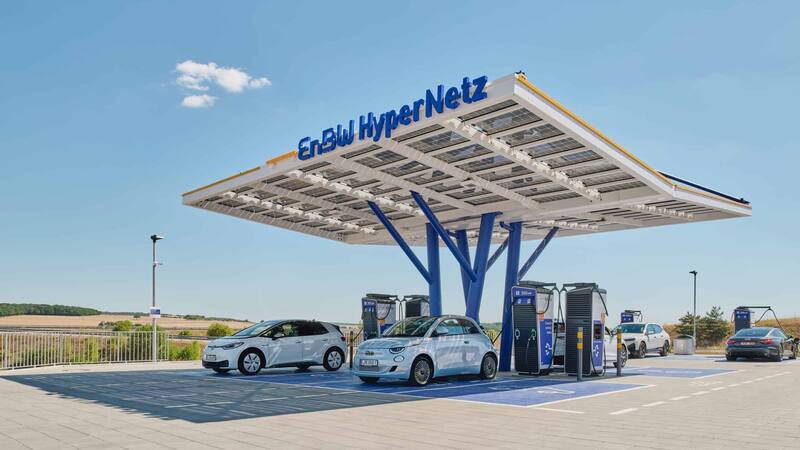
Both the Volvo and the BMW combine sleek design with strong performance and, most importantly, range that finally makes sense. We are now talking about electric vehicles operating in the 700–800 kilometre WLTP class, supported by charging systems capable of adding hundreds of kilometres in the time it takes to drink a coffee.
Suddenly, the electric car stops feeling like a compromise. It now behaves like a normal car.
This is the real breakthrough.
Until now, most electric cars have been excellent locally. Quick, smooth, silent, and often great fun. But once you ventured beyond your immediate surroundings, reality set in. Planning routes, watching percentages, negotiating charging stops like a Cold War diplomat.
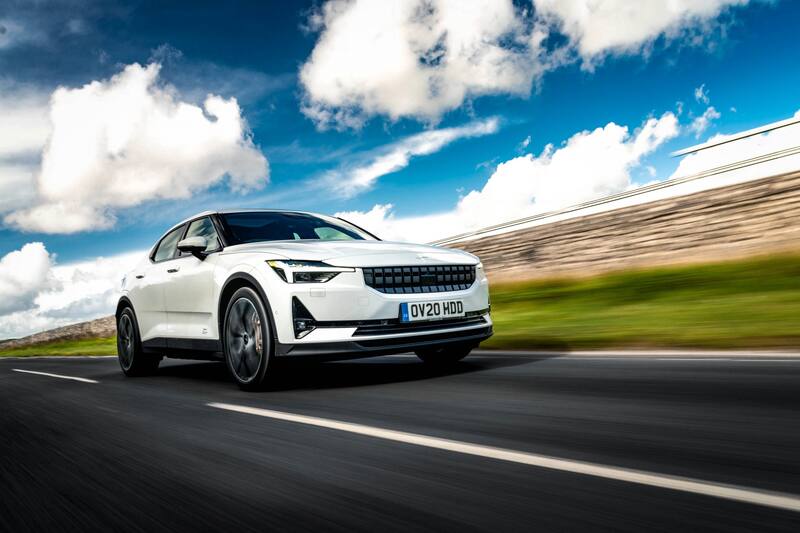
I own a Polestar 2, and it is a genuinely brilliant machine. But I rarely venture far beyond my hometown. Trips to Bologna or Milan are theoretically possible, but practically annoying. And that difference matters.
The EX60 and the iX3 Neue Klasse change that equation. With these cars, long-distance travel stops being a special operation and becomes routine.
You no longer plan your journey around the car. You simply drive. That single shift is what makes everything else fall into place.
There is, however, a rather brutal side effect to this progress. All first-generation EVs just became economically obsolete.
Not bad cars. Not unusable cars. But obsolete in the same way a high-end laptop from 1990 suddenly looked ridiculous in 1993.
That includes my Polestar 2, the VW e-Up, early Teslas, and, most painfully, expensive early premium EVs. The depreciation curve for electric cars was already steep. With the arrival of true second-generation products, it is about to get steeper, and faster.
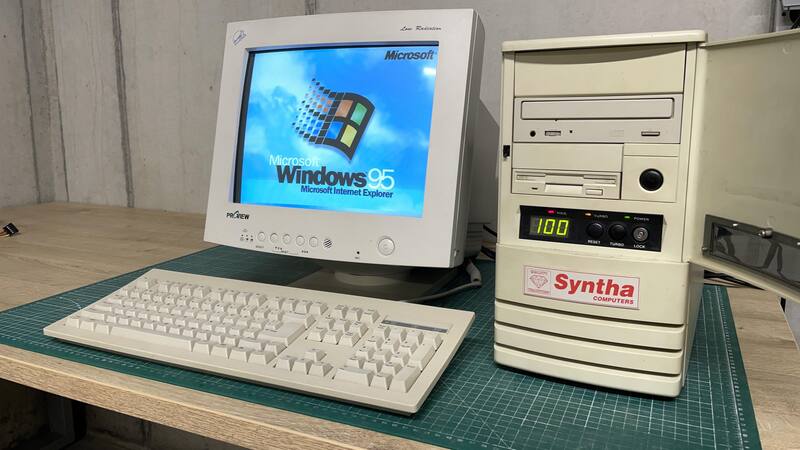
In 1989, Intel introduced the 486 processor. On paper, it looked like a natural evolution of the 386. In reality, it was a revolution. On-chip cache, vastly improved floating-point performance, and better real-world responsiveness changed everything overnight.
386-based computers didn’t stop working. But they immediately became irrelevant. Values collapsed, and anyone who had bought "top of the line" a year earlier learned a very expensive lesson.
The same thing happened again in 1993 with the introduction of the Pentium. Throughout the 1990s, progress came so quickly that buying a new PC often meant watching it become outdated within months.
That is exactly what is happening now in the EV market. The Volvo EX60 and the BMW iX3 Neue Klasse are the 486 moment for electric cars.
Good night, first generation.
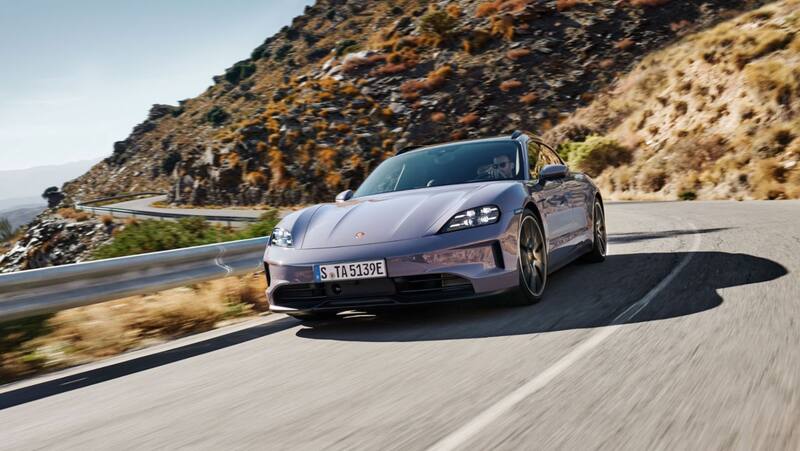
No discussion of EV depreciation would be complete without mentioning the Porsche Taycan.
The Taycan is a magnificent piece of engineering. But it arrived too early, with technology that aged brutally fast. The result has been one of the most savage depreciations ever seen in the modern premium car segment.
A Taycan Turbo S that cost well over 250,000 euros new can now be found for under 90,000 euros only a few years later. That is not normal depreciation. That is technological obsolescence playing out in real time.
And the arrival of cars like the EX60 and the iX3 will only accelerate this trend.
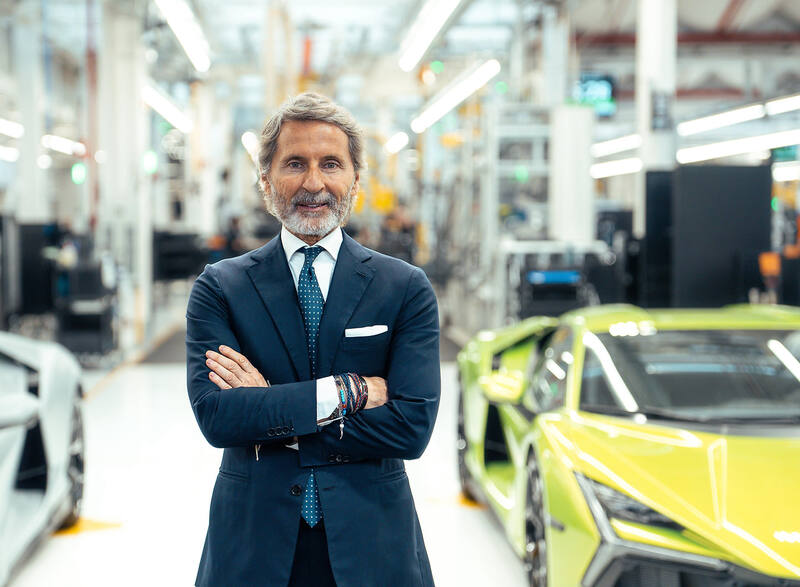
This is why Stephan Winkelmann’s decision to delay Lamborghini’s EV deserves genuine praise. Killing or postponing a project is often harder than launching one, and in this case it was the right call.
Launching an expensive first-generation EV today is a dangerous game.
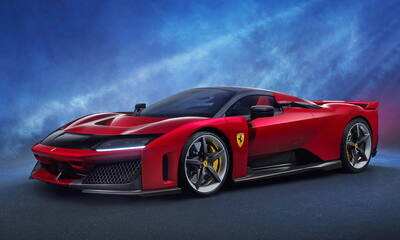
Ferrari is preparing to launch its first electric car later this year, a compact, ultra-exclusive EV from Maranello with a rumoured price tag of around 500,000 euros. The badge will sell the first cars, no doubt. But many analysts believe it may turn into a very costly learning exercise for the brand.
Ferrari might be about to release a car with outdated technology. Just like a 386 processor after the launch of the vastly better 486 in 1989.
Furthermore, Ferrari’s hybrid 296 GTB/GTS has seen incredible depreciation on the second-hand market. Prices have dropped dramatically, while the non-hybrid F8 has skyrocketed in value.
Ferraris stock price has dropped 35 per cent the last six months. The market is already voting.
Hybrid cars are often presented as the perfect compromise. In reality, they are usually a necessary but inelegant transitional technology, complex, heavy, and burdened by having to support two completely different propulsion systems.
This is not a new idea.
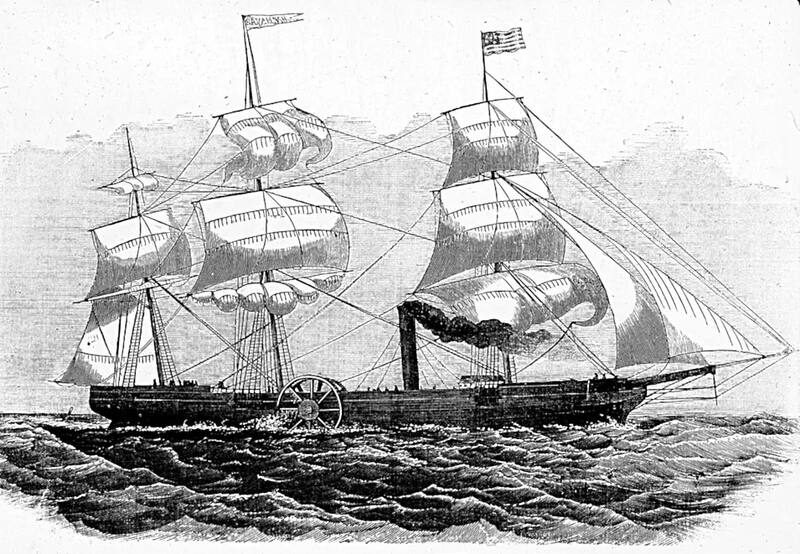
In the mid-1800s, there was a brief but fascinating era of hybrid sail-and-steam ships. Early steam engines were unreliable and coal-hungry, so shipbuilders combined them with full sailing rigs. For a few decades, hybrids ruled the seas.
Then steam engines became efficient, reliable, and globally supported. Sails turned from a safety net into dead weight. Within a generation, hybrid ships disappeared entirely.
Sails didn’t fail because they were bad. They vanished because they were no longer necessary.

With the EX60 and the iX3 Neue Klasse, electric cars are finally moving in the right direction. Full battery-electric propulsion is not a fad, it is the end state.
Within a decade, EV supercars with absurd power and genuinely usable range will be normal. And when that happens, combustion supercars won’t vanish overnight, but they will belong firmly to the past.
A past where you had to carry a flammable liquid around to make your car move. A past where noise, heat, and exhaust fumes were considered part of the charm.
One day, the smell of petrol exhaust will feel as strange to our grandchildren as coal smoke from a steam locomotive does to us today.
And just like with the 486, it won’t happen gradually.
It will happen all at once.







The latest news and stories. All the best roads, hotels and restaurants. Invitations to exciting events. Be the first to know by subscribing to our newsletter.
More news and stories from the world of Gran Turismo




















Our favourite roads, hotels, restaurants and places to visit



Beautiful road trips and famous racing tracks since 2002. Supercars only.


While our head offices are in Geneva, Switzerland, the team is spread throughout Europe: Sweden, Poland, Italy and Croatia. Please select the appropriate team member to contact below.
For general enquiries, you can always use info@granturismo.org. For event registrations, please use registry@granturismo.org.

© 2002 Gran Turismo SA (Geneva / Switzerland)
The LION LOGO, GRAN TURISMO EVENTS, KING OF GRAN TURISMO, LIKE THERE IS NO TOMORROW, SPECIAL EVENTS DEPARTMENT, CARS AND COFFEE STOCKHOLM, FULL RETARD, MONDO GRAN TURISMO, LA FAMIGLIA and PARC FERME are registered trademarks
Do not use any of our brands without written approval
Gran Turismo SA c/o PKF | Rue des Battoirs 7 | 1205 Geneve | Switzerland | info@granturismo.org